Lucerne carnival (Lozärner Fasnacht)
It starts on Schmutziger Donnerstag at dawn with the Urknall on Kapellplatz, when Bruder Fritschi enters the city. The Fritschi parade follows, the Wey parade on Güdismontag, and the Monstercorso on the Tuesday evening before the carnival ends that night.
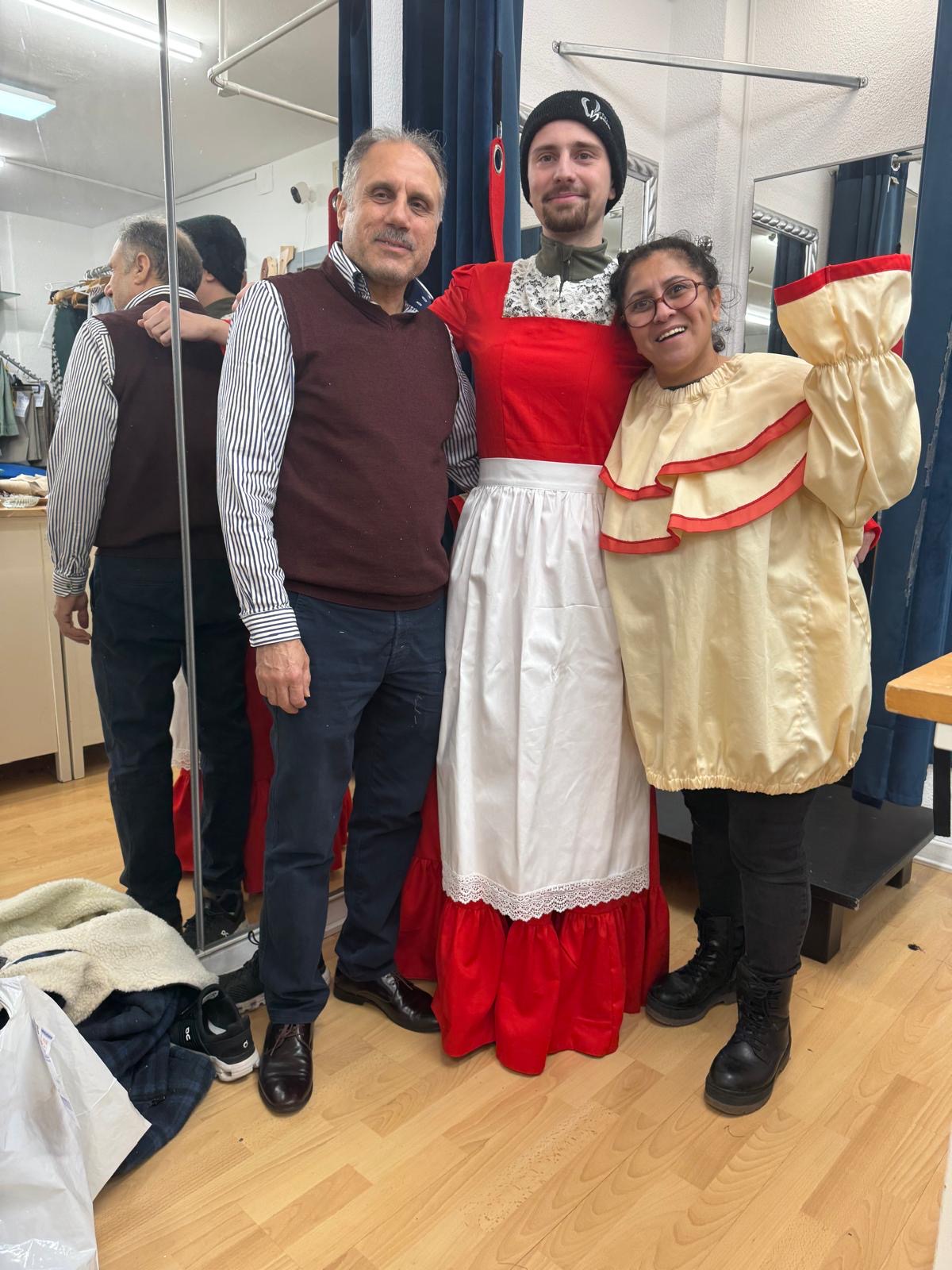
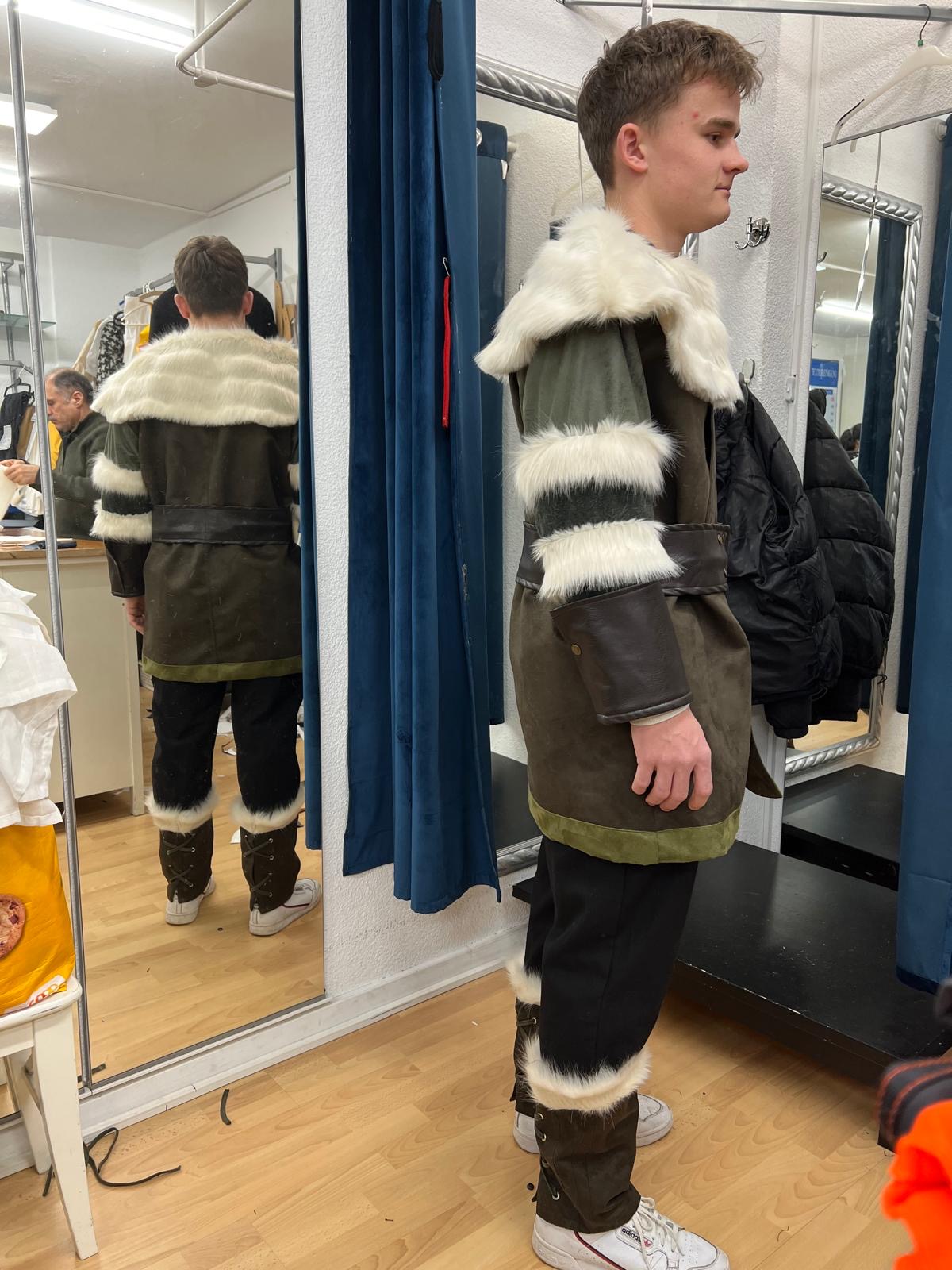
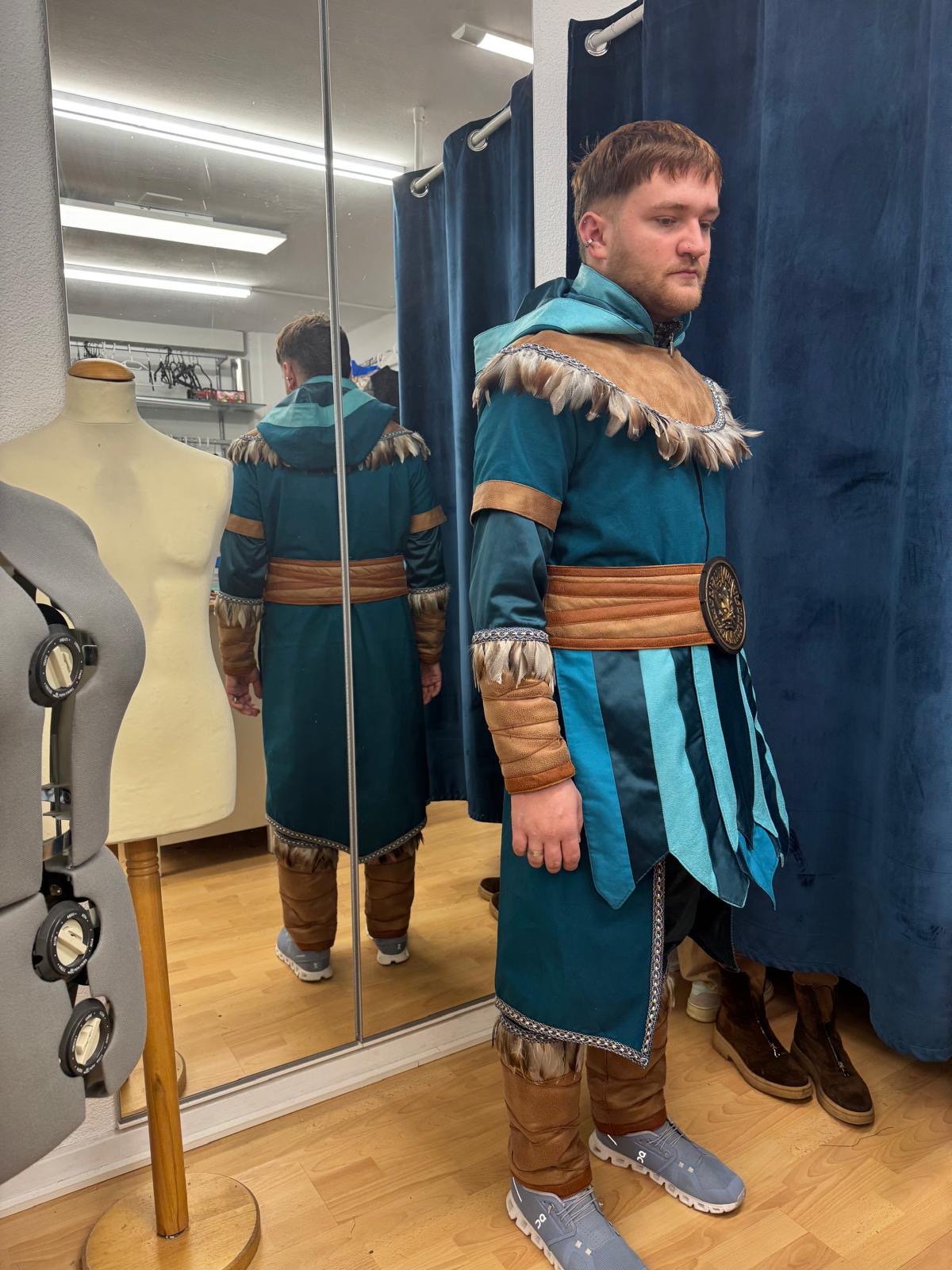
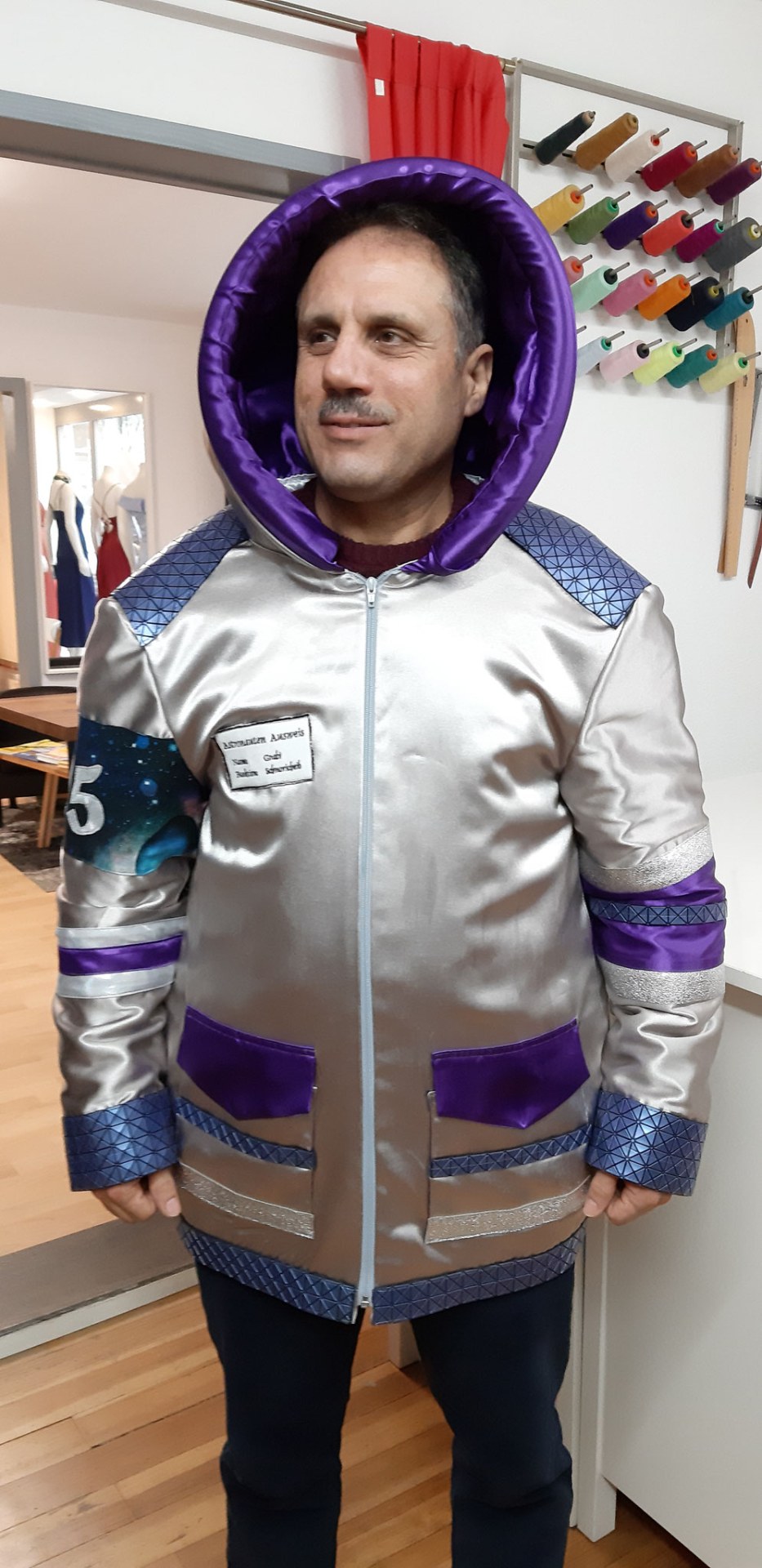
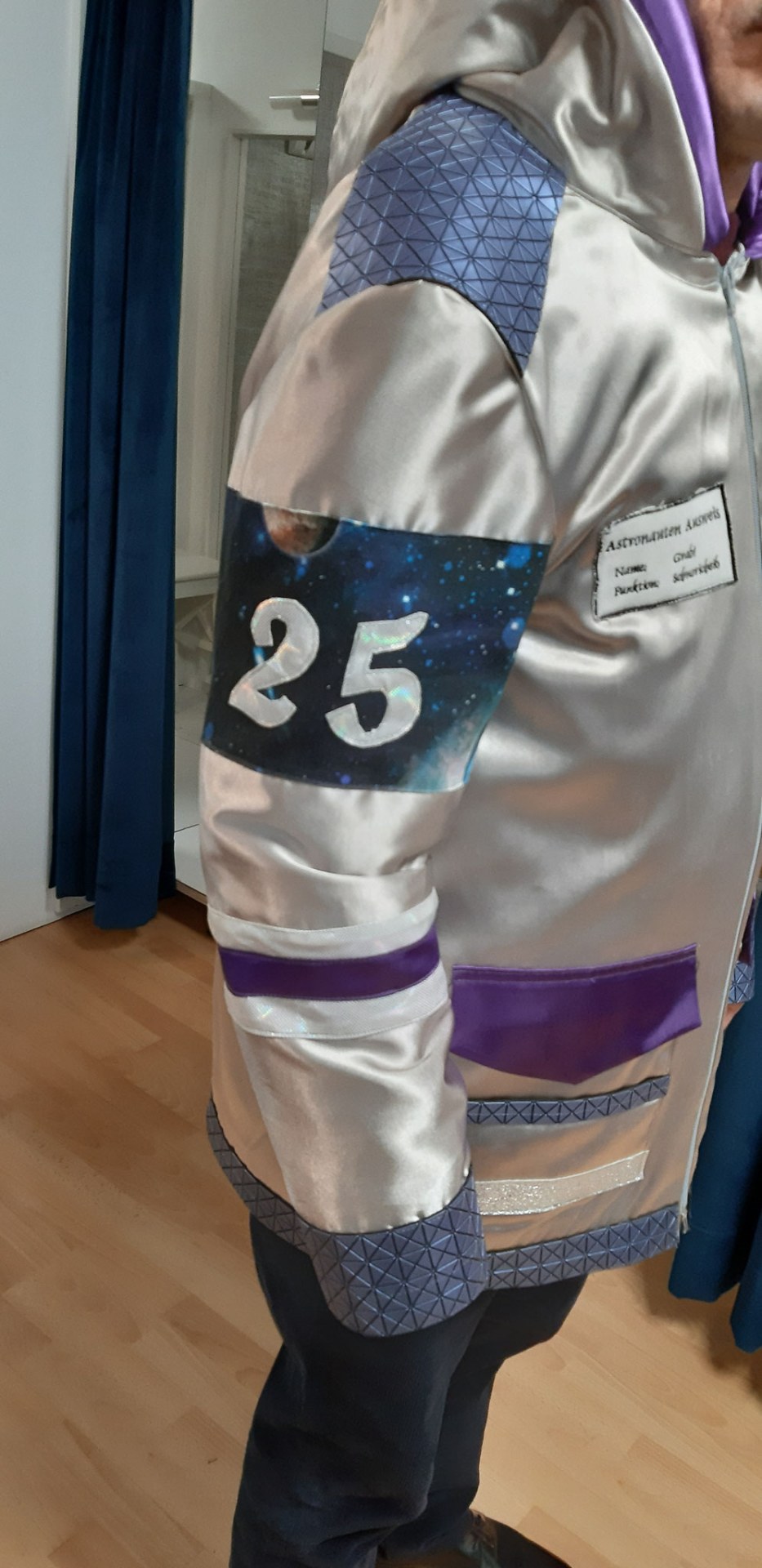
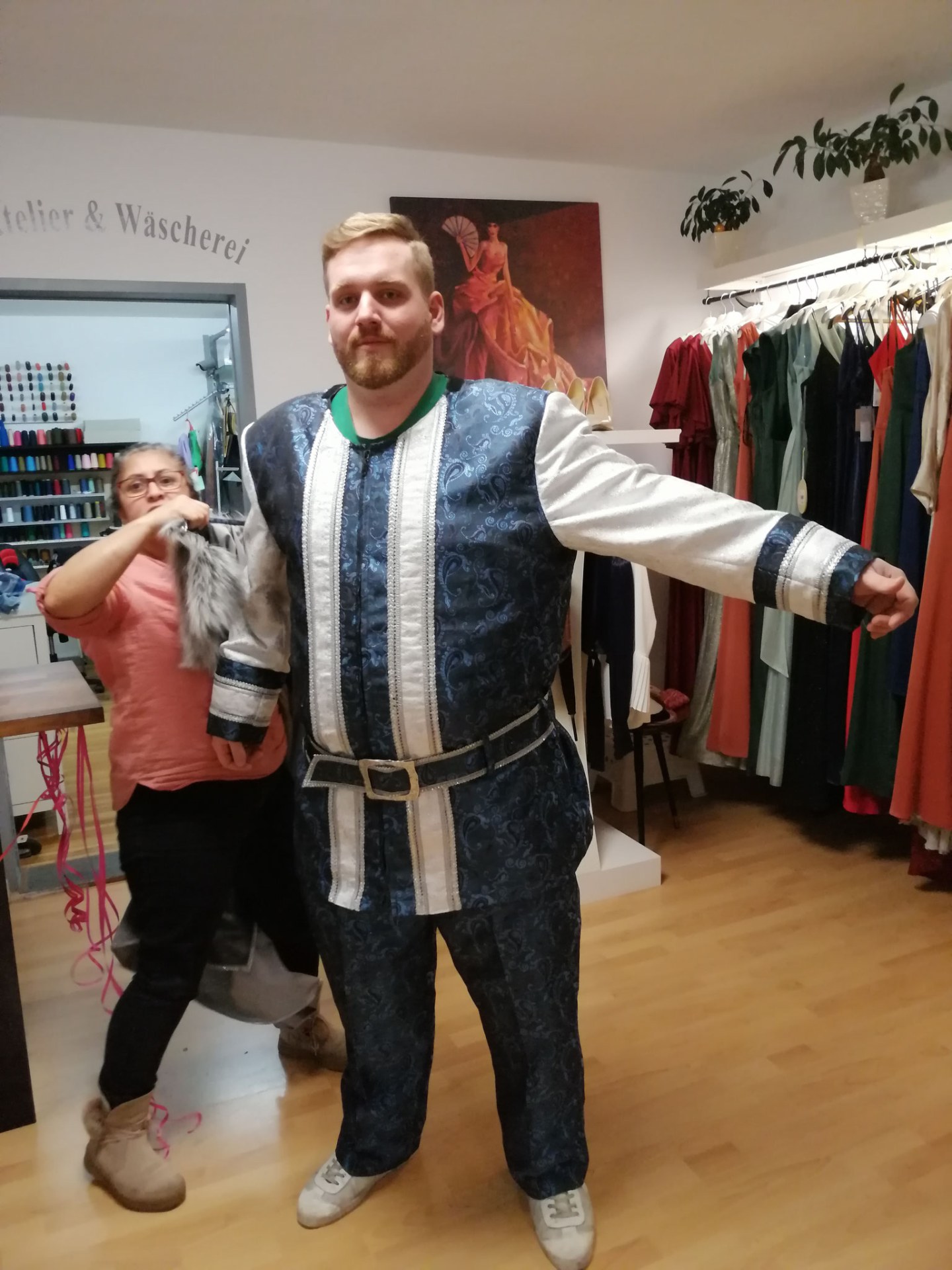
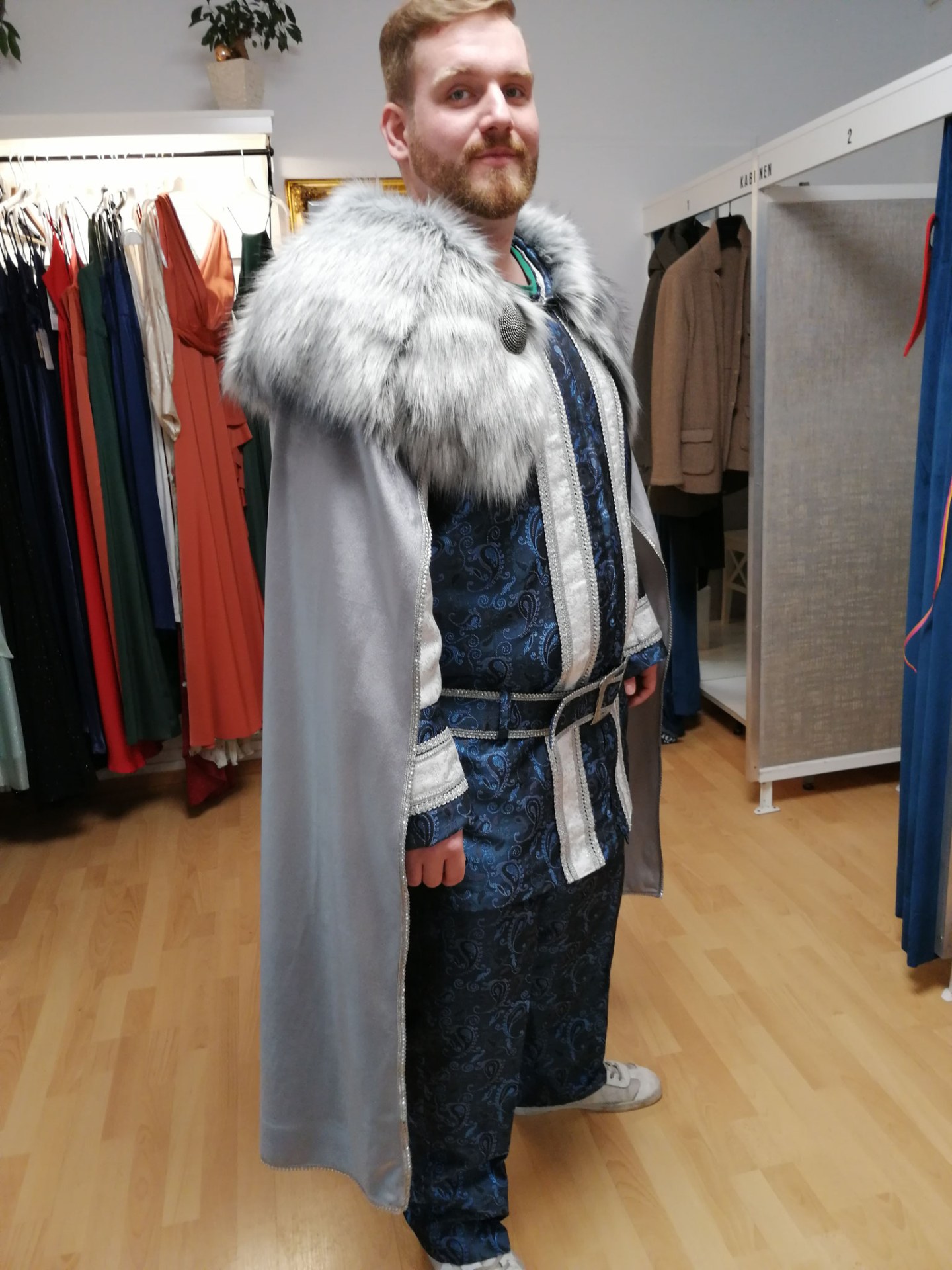
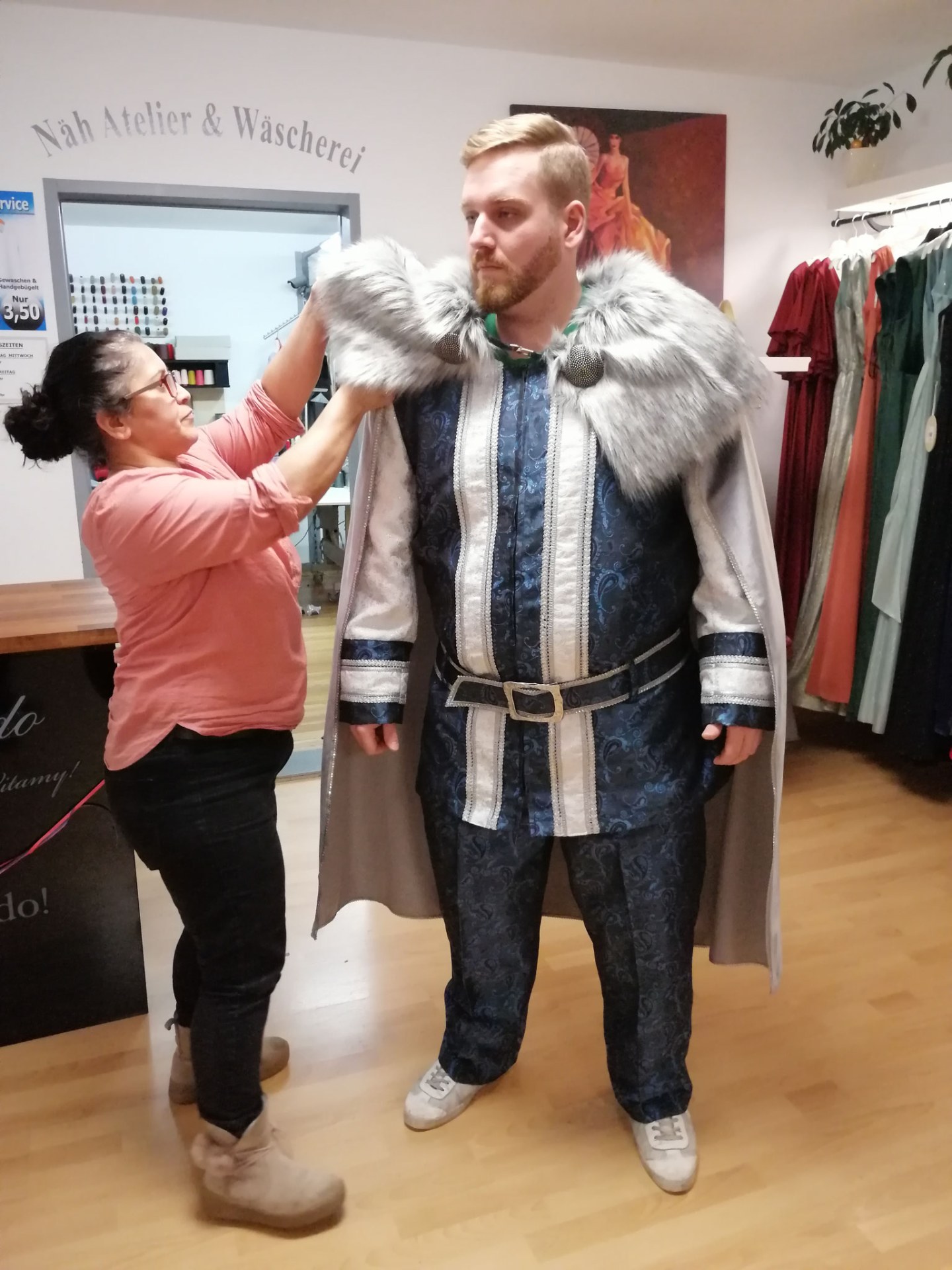
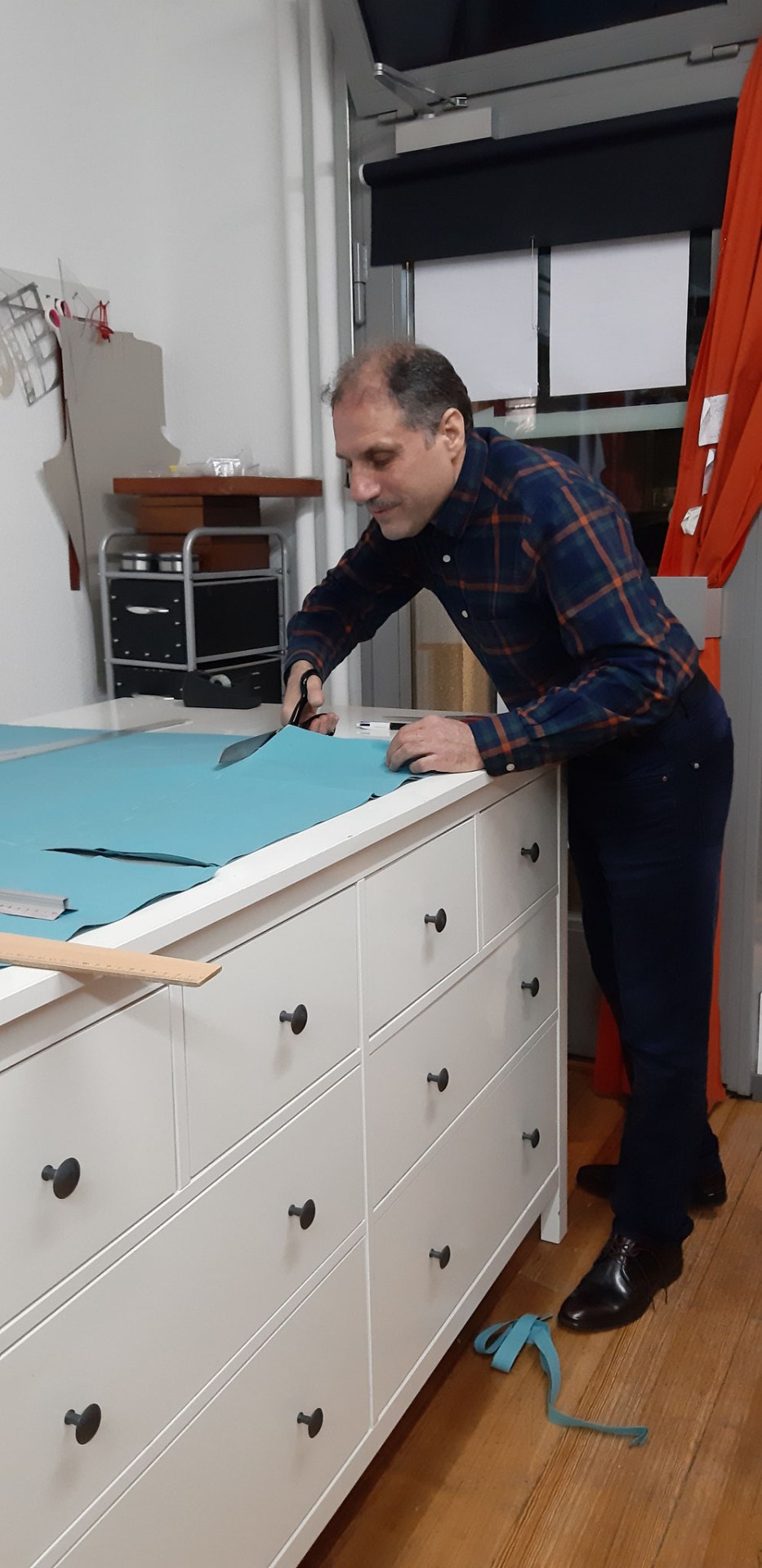
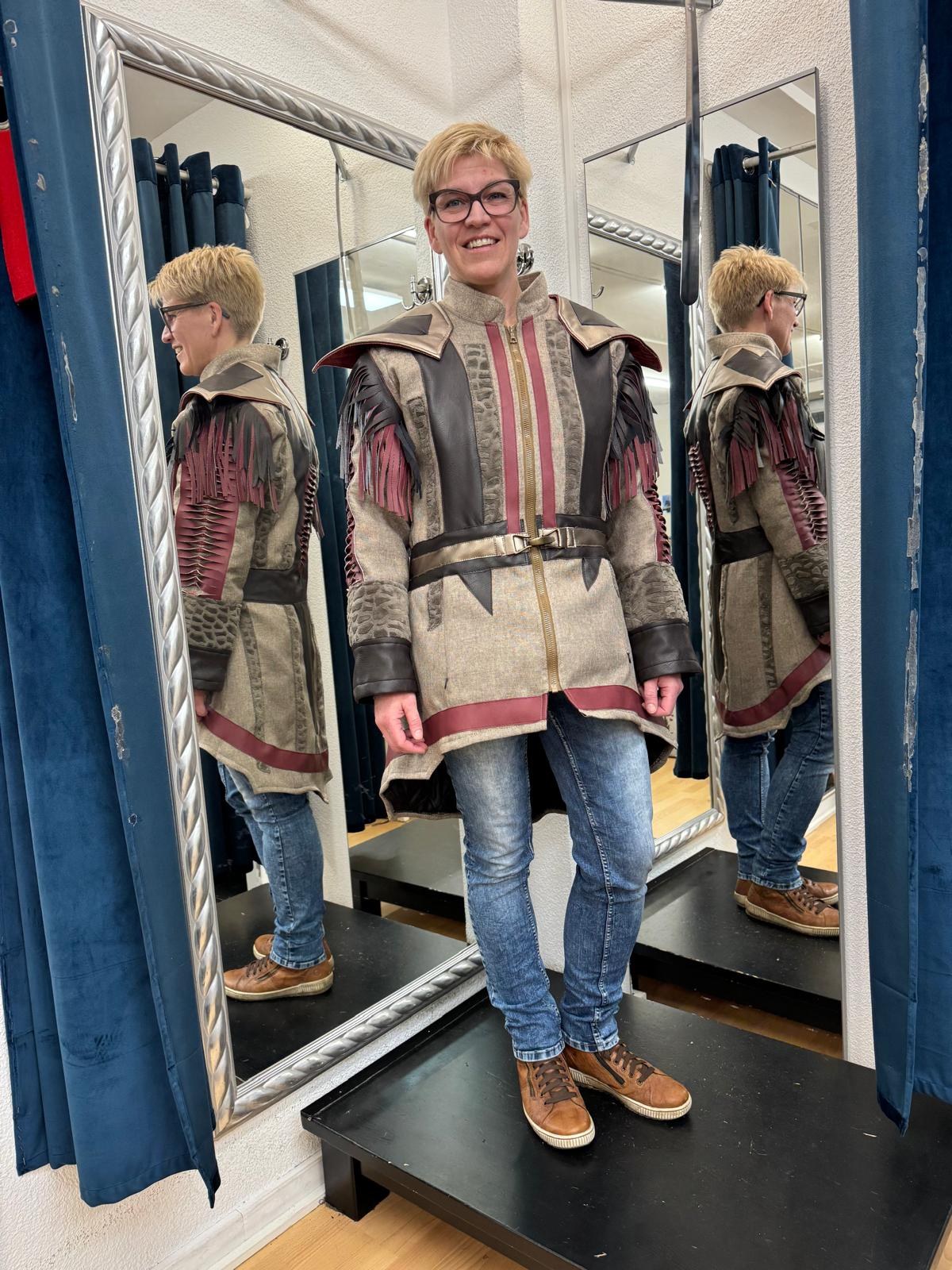
It is celebrated outdoors, often in cold, rain or sleet, on foot for hours and in dense crowds. So a Lucerne costume has to be warm, weatherproof and easy to move in: sturdy seams, room for layers underneath, wide sleeves for instruments, and pockets you can find while wearing gloves. That is exactly how we cut it.
Basel carnival (Basler Fasnacht)
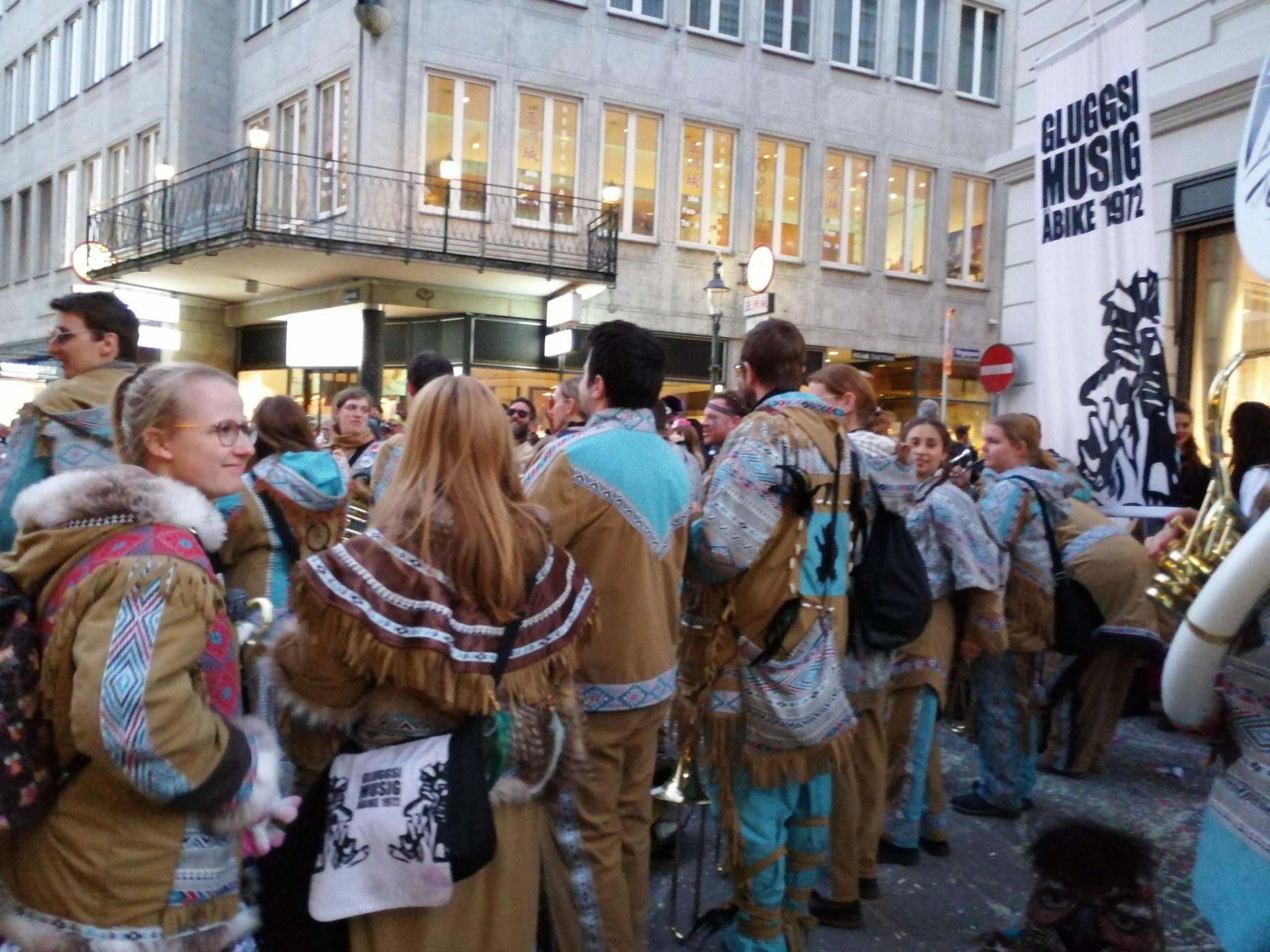
The Basel carnival starts on the Monday after Ash Wednesday at four in the morning with the Morgenstreich and lasts exactly 72 hours – die drey scheenschte Dääg. The Cortège passes through the city on Monday and Wednesday afternoons, with Pfeifer and Tambouren playing in the lanes in between. Since 2017 it has been on the UNESCO list of intangible cultural heritage.
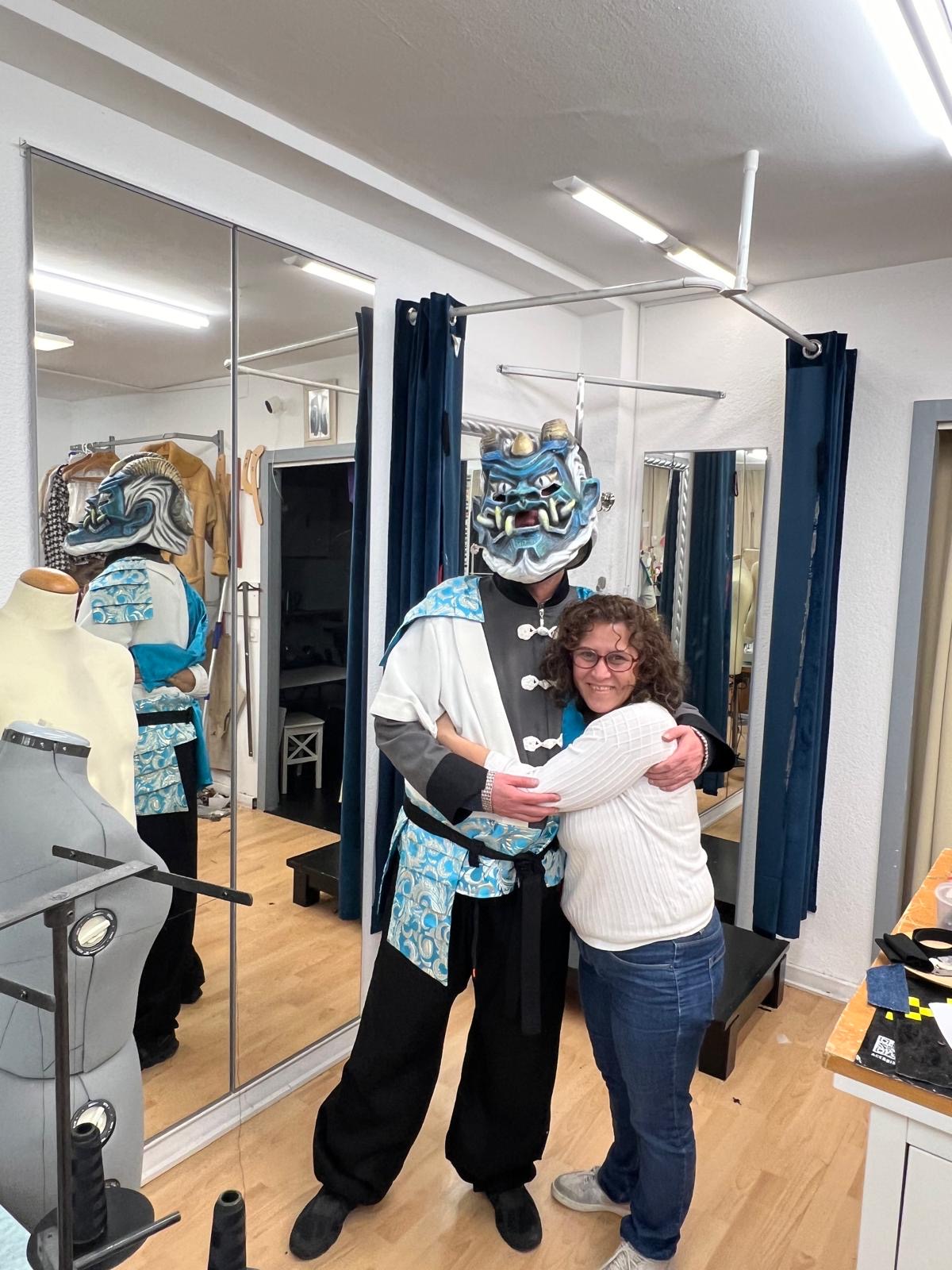
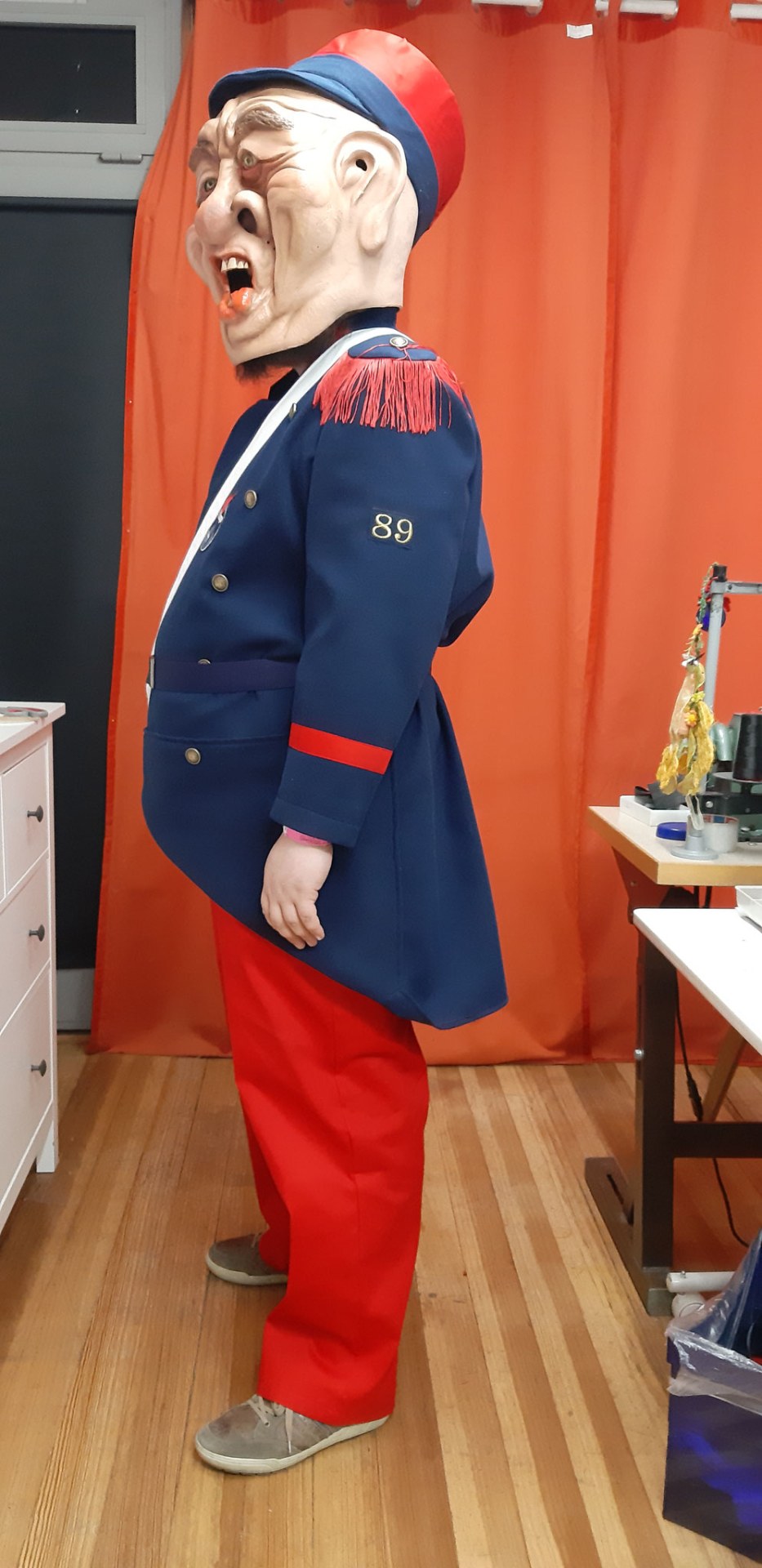
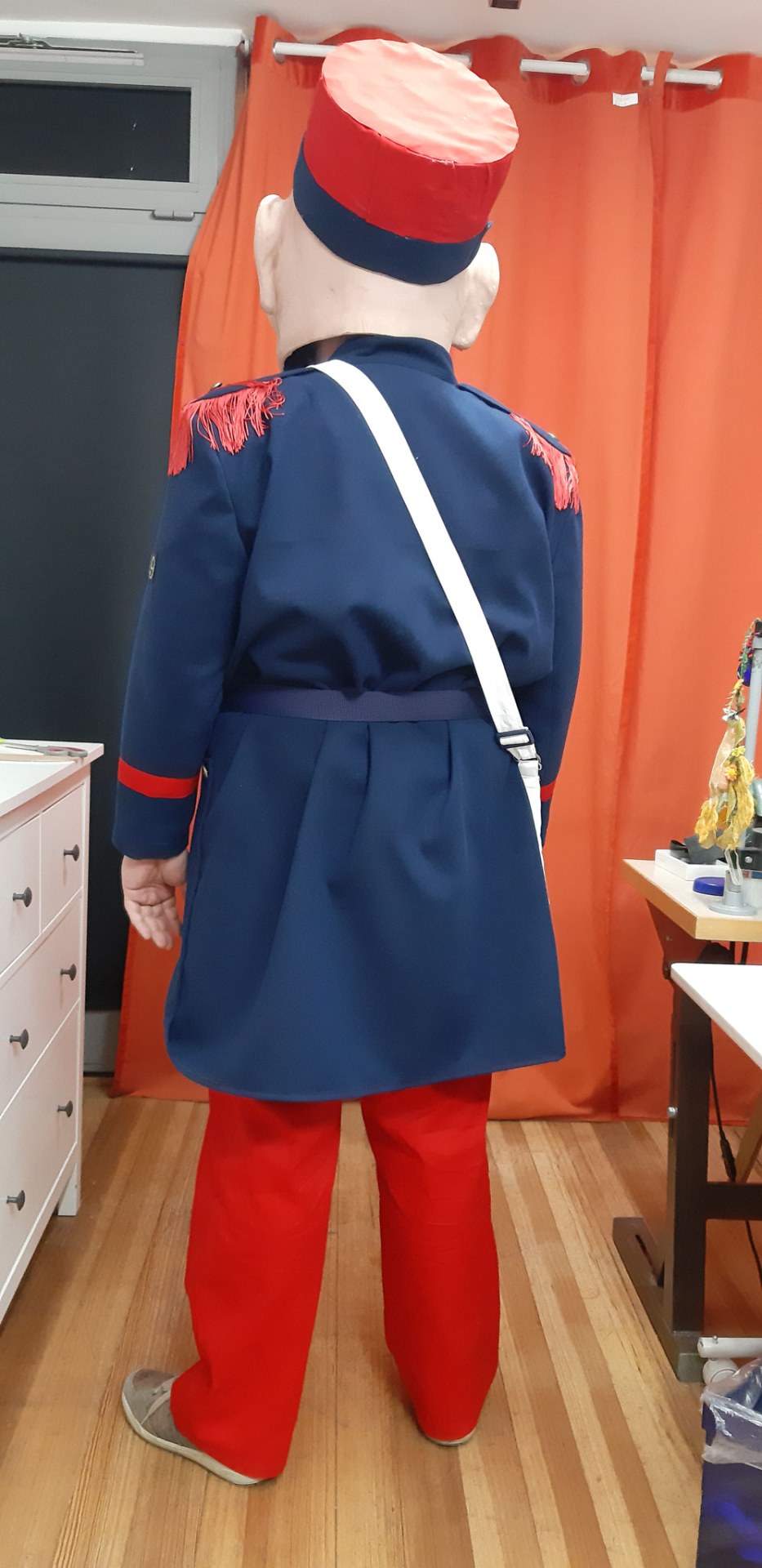
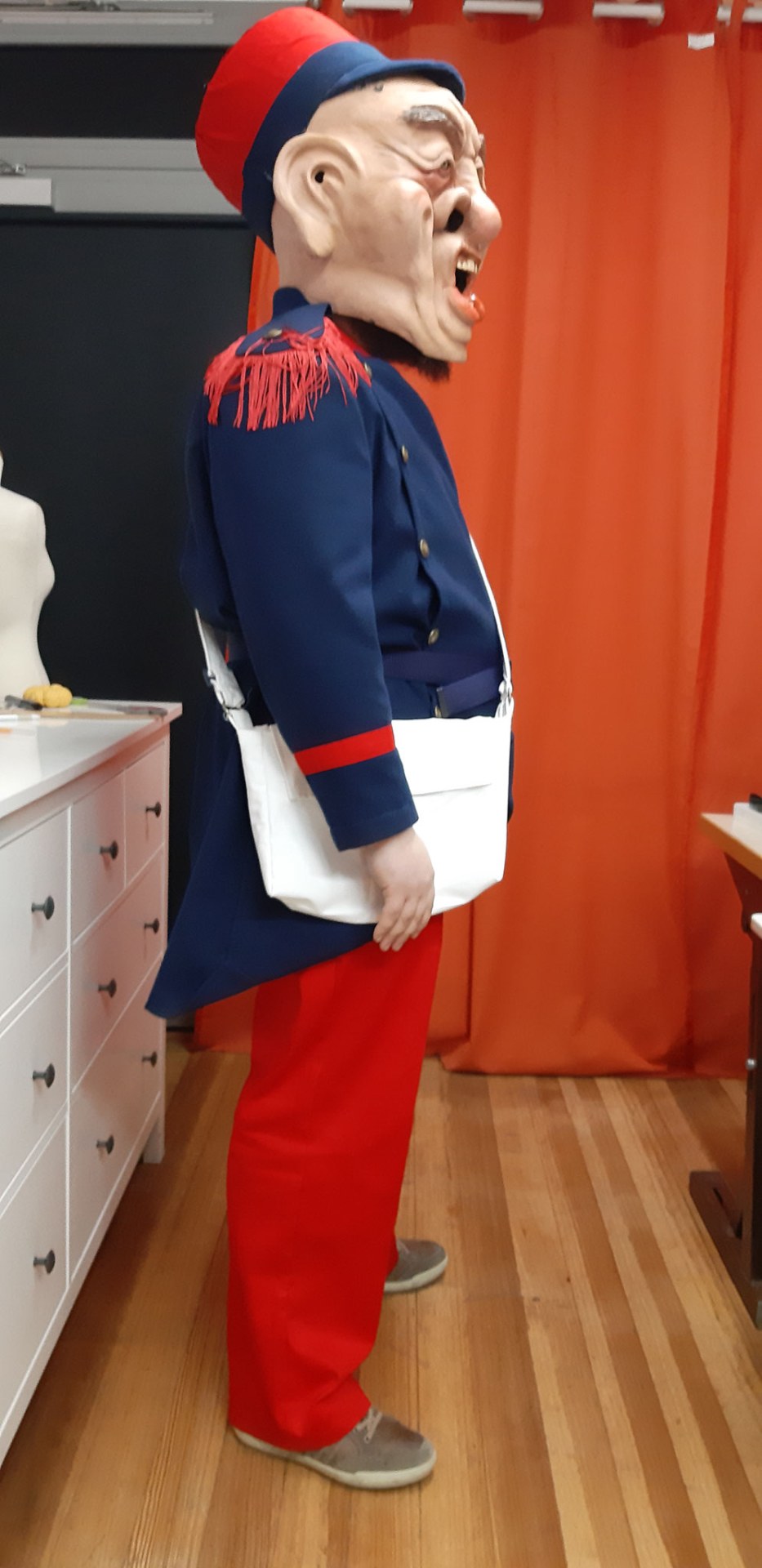
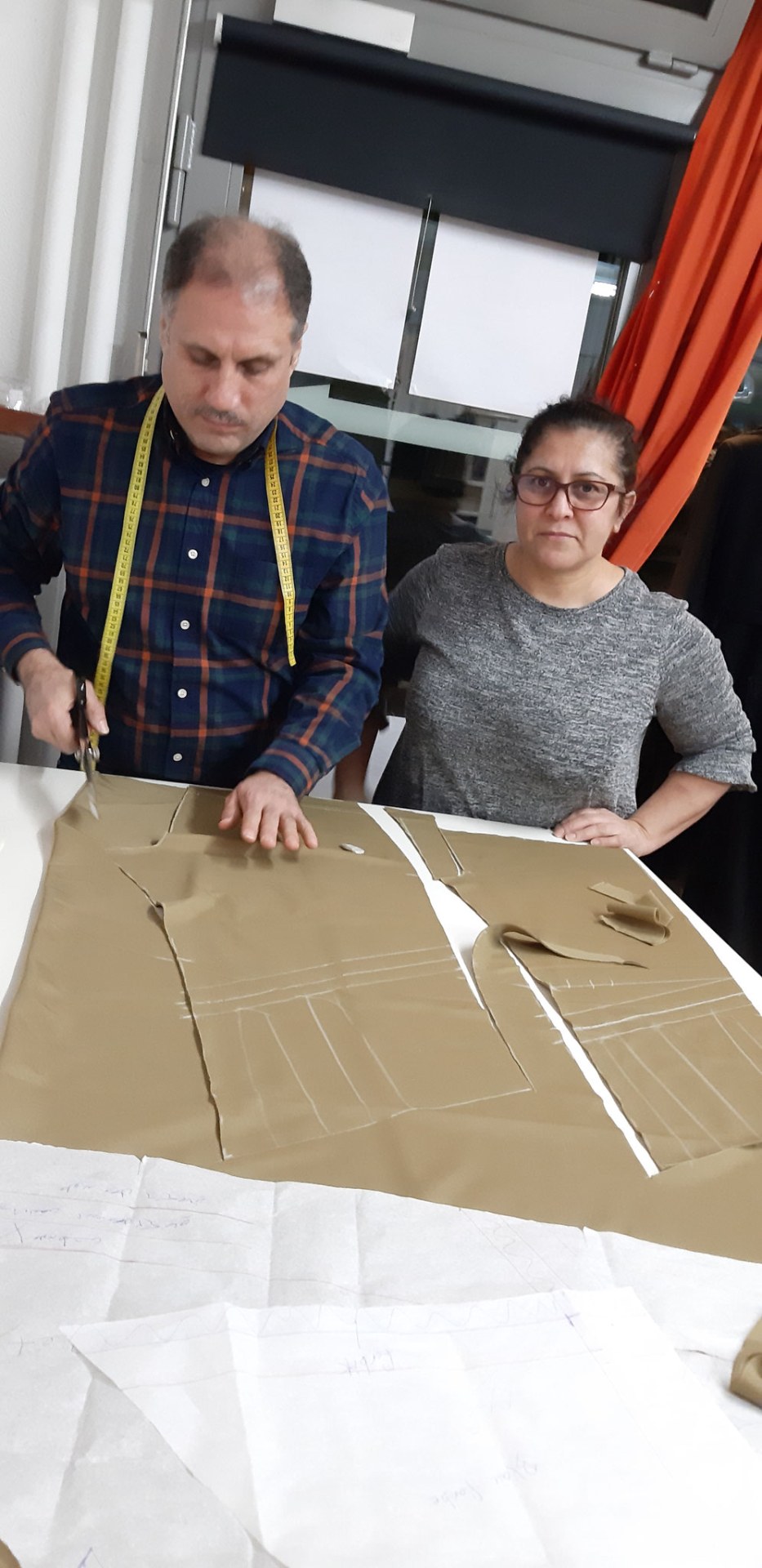
Here precision counts: Larve, costume and Charivari have to match the clique's Sujet, and the costumes of one formation have to sit identically. We sew series from a pattern, fit existing costumes to new members and finish seams cleanly so nothing chafes under the mask. Waggis costumes above all need hard-wearing fabric and reinforced pockets.